
Today I passed a group of modern houses on my new hilly walk and saw this child’s drawing stuck onto a window. I am not sure how clearly it will register, so this is what is written under the giant rainbow: “See you when the bugs have gone”!

See you when the bugs have gone
 It had been a joy to witness these young professionals and their smiling accompanist, ply their trade in living, breathing person. It reminded me how powerful it is to experience live performance (of any kind), where the performers’ desire to give to the audience becomes a gift to both. It says something when the performers emotionally thanked the audience at the end for being there. It was a teary moment.
 Here she was in a clever one woman show devised by her in which she told the story of Ethel Merman. The performance was peppered with passionate and funny songs between salty tales of Merman’s four marriages. It was a triumph, and we, the socially-distanced audience, clapped and whooped Rosie and her excellent accompanist at every opportunity.
 For these past few years I have taught singing to people who love to join with others in amateur performance, either as soloist or choir member. I also run a singing group (in days we once called “normal”) for people with Parkinson’s that helps improve not only vocal function, but quality of life, not least of which is the joy of sharing with others. Now we – well the few members who can face it – are banished to Zoom. We battle with bad signals and other technical hitches, doing the best we can with a technology that is an unsatisfactory experience even at best. We do not mute our mics and sing to ourselves as so many choirs do. Personally I don’t see the point of that. Instead we take a verse each and sing to each other, thus making the best of a poor deal. Roll on live meetings.
 Some days it can look like a dystopian nightmare and others a utopian world full of natural wonders, peace and harmony. Such is human nature that we will inevitably swing between the two: dark and light, bad and good. There is a richness to being embroiled in both sides. Though a soaring of spirits may occur with the lighter vision or a plunging into the depths with the darker one, this accelerated roller-coaster of feeling has the potential to lead to the rediscovery of our raison d’être – individually and collectively.
  As I see it, it is where we come from in our “being-ness” that gives true reason, or purpose, to expression. The sounds and frequencies of the whole universe are inside of us. They just need calling out.

 There is no baggage, no history. You chat about dogs; the wonders of living in St Leonard’s. Many are DFLs (down from Londoners) who have a born-again texture to their joy. I remember that same sense of wonder 35 years ago which has been rekindled in this time of apparent deprivation. They talk about the sea, the clean air, but most of all about their dogs and the things dogs get up to; all shared communality. This morning a man with two border collies was being dragged forward by the young one and back by the old one. “Gilbert sit or stay whichever command you like!” he shouted jovially. Gilbert did neither. Later I saw him again and asked if the old one was called Sullivan. “No” he said, ‘but he should be.”
 They say weeds multiply and their roots kill off the more worthy plants. A poppy is a kind of weed, an interloper. Each year in my tiny garden a poppy or two or more grow in a different spot, or out of the cracks between the well-worn slabs on my walkway, their random seeds impregnating the earth without a by your leave. And I love it. Can’t wait to see what will appear each spring and where. But disharmony injustice, marginalisation of animals, plants trees humans, has at its root cause the idea of one being better than the other. Celebrating difference rather than fearing it is our greatest fear. We’ve learnt to stamp out the different: I’m a flower you’re a weed. No. I live and you live and we are equal.
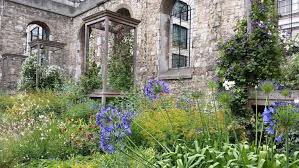
 In the first Lockdown last March I spent many hours walking through the footpaths and surrounding countryside in Upper St Leonards. All through that time I watched nature press up from the earth, stretch the fingers of bare branches, plump out shrunken hedgerows and everyday I saw walls and fences sprout little flowers from infinitesimal cracks. I wrote about it – not poems as such but with a lyrical turn of phrase that one might call poetic. I posted these almost daily walks, with accompanying photos, to Facebook. I had never used Facebook in that way before, but it gave me a focus, a raison d’être, and I believe gave some pleasure to those who came across the posts. The plan is to publish these walks on my site at some point.

 This quote from Maya Angelou was on the wall of a modern church – one of those independent churches that was roomy and filled with light. Pictures with quotes on them like this one were scattered all over the walls, which is all I can remember of my time spent there.
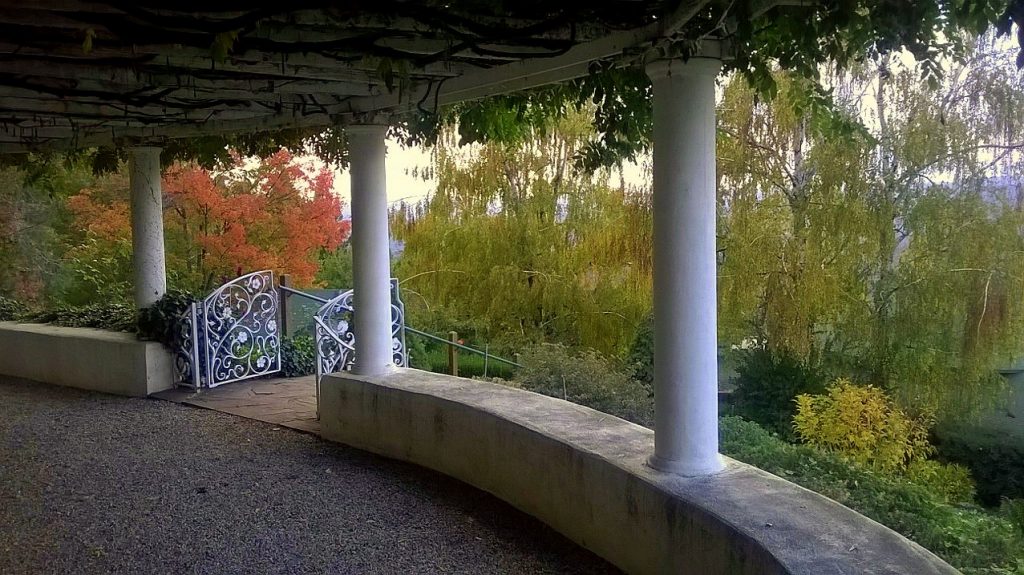
 The architecture of the sacred buildings and the almost sculpted gardens give you a sense of peace and majesty. I would like to have stayed there, not to have taken part in one of the intense yoga courses, but to walk amongst the trees and sit on a terrace in the tiered gardens, or round the little pond overlooked by a modest stone Buddha. I am reliving this visit as I type and a sense of the trees, soft light and space settles in my heart, heightened by the atmosphere engendered by a place dedicated to spiritual practice.
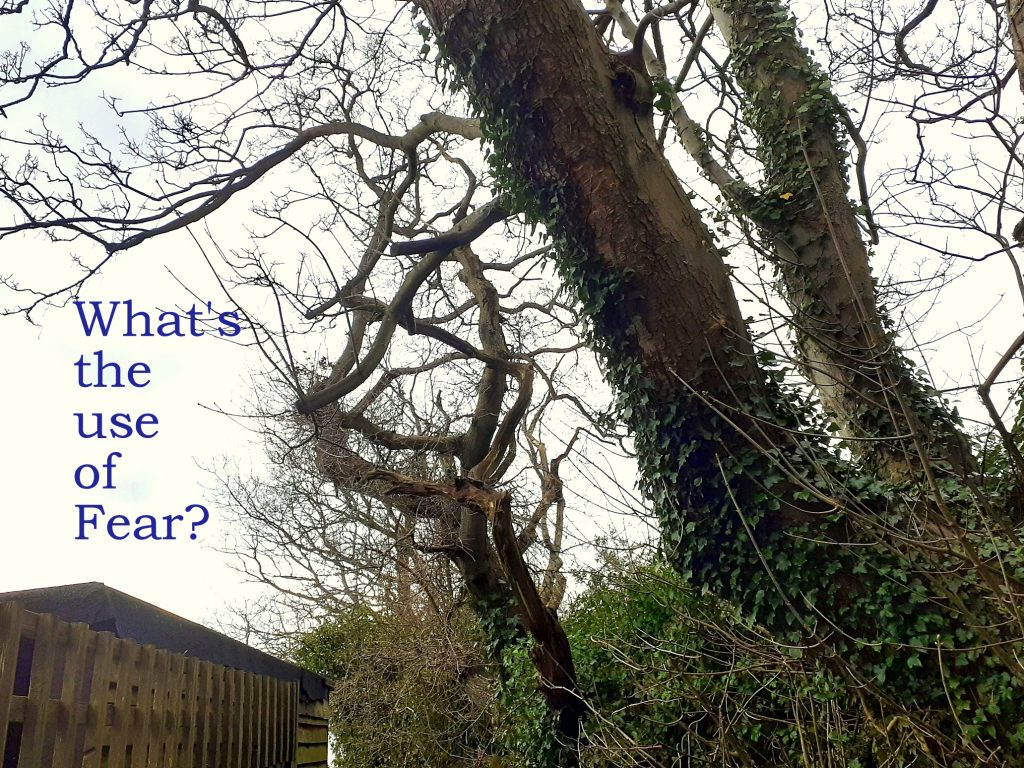
 Good question. Earlier, as I sat with my coffee on my window seat watching the light seep in and the sea silently pawing the shingle, I pondered the fact that a person not skilled in psychology, a politician playing a part of a this or that Secretary, had told the entire population of England to act as if they had the virus! The fact that this was a serious directive given to the masses to actually practice made me contract inside. Where is the positive psychology in that?
 You watch a cat when it senses another cat, or a dog. It freezes and then, depending on the degree of threat, will fight or skedaddle. Simple as that. The same goes for us. If a man is following us, or a car swerves towards us, we run. But if fear is not imminent in a physical sense, but only ‘hearsay fear’, it becomes fuelled by imaginary situations that may or may not happen, and the energy or adrenaline of fear has nowhere to go but inwards where it has every chance of weakening our immune system. Undispersed fear becomes dread and impedes the flow of life. Living a life in fear and dread literally stops life in its tracks.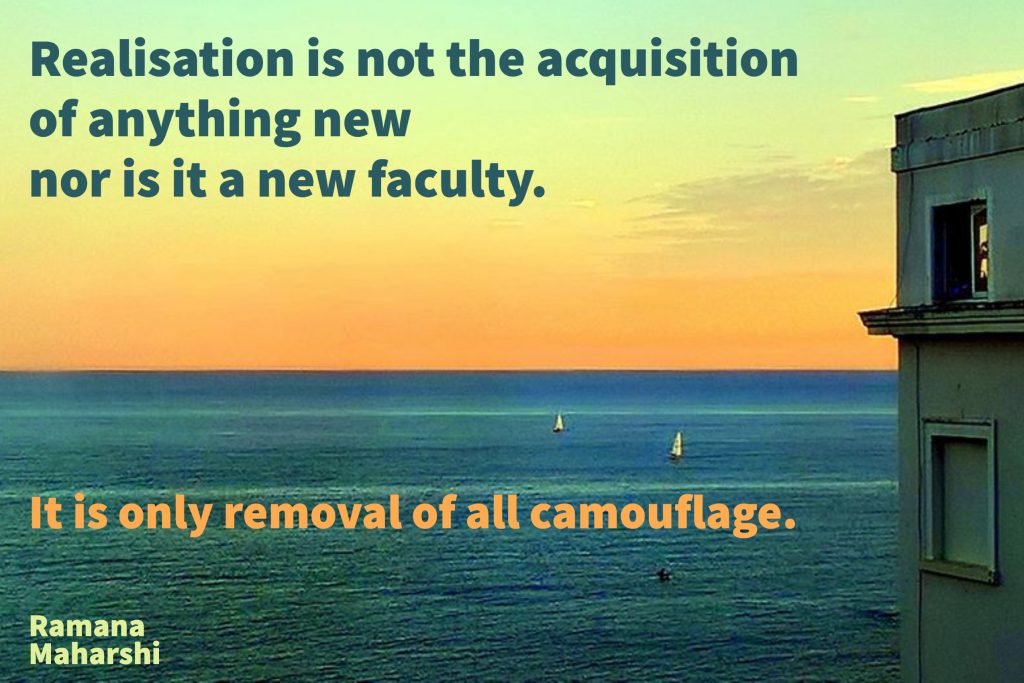


 have diced with it and thrown it up in the air again and again… Where will the pieces land and what numbers will we get this time? Do we advance, step back, win, lose? In truth, hasn’t it been like this from the first syllable of recorded time? In essence Life is a game of chance, an adventure, a struggle, a road trip that each of us has taken from the dawning of individuation to the climax of now. We stand at the crossroads asking the question of ourselves: Where do we go from here? What’s next?
 It’s a process that is a part of being human. As I look into the chasm of our broken world, the phrase, “the darkest hour is just before dawn”, springs to mind. New beginnings start when the old expires. It is hard to see because we are so busy fumbling about in the dark for something known to make us feel safe. But is it possible to let go of all past ideas and just be present to the unknown? In the fields of spirituality, meditation, mindfulness, presence, whatever the practice, aren’t we invited to live in the ubiquitous “now”? But how many of us really do that? We have a concept of the now as something solid, something known. But it isn’t. Now is full of unknown potential and what’s next is yet to be born.
 If we invite harmony and rest into ourselves, however disorderly external events appear, we may have a chance of finding a sense of peace in our own personal now. And then, even though we may not be able to physically hold somebody else’s hand, we can join together in a sense of communality that is freely available in every moment above the battlefield of the story. The future is as much a foreign country as the past.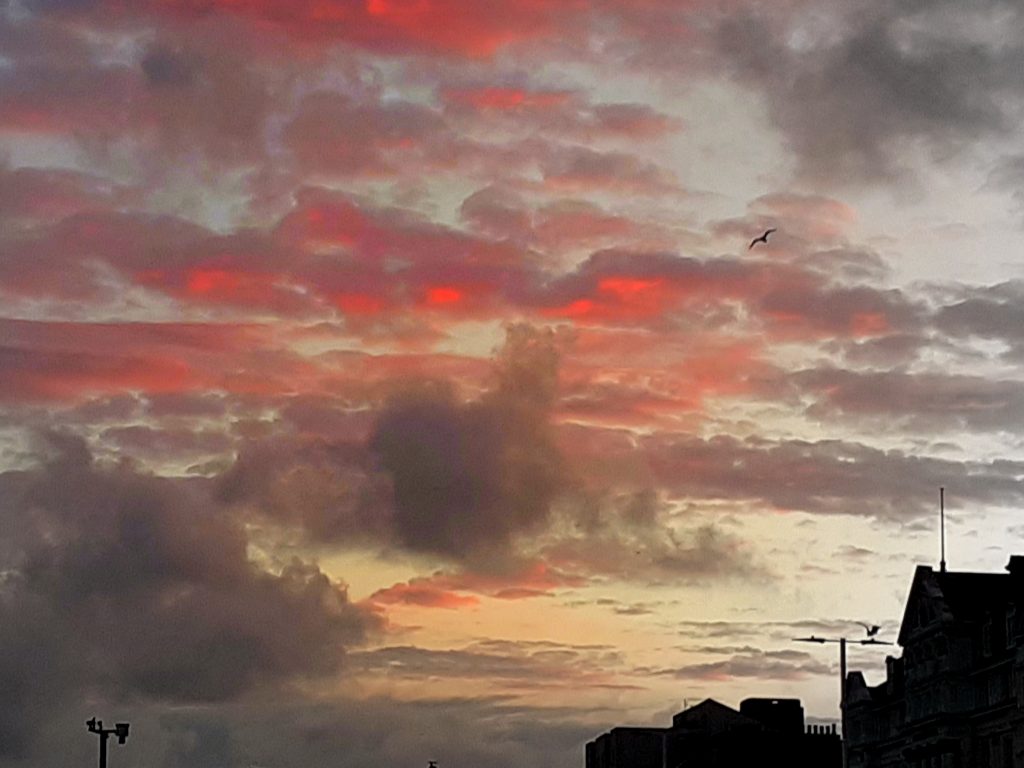
 At some point growing up I was struck by the story in the Bible of the blind man healed by Jesus, whose first words were “I see men as walking trees.” In some ways we are like trees. If you half close your eyes and watch people moving you get a sense of what the newly-healed man saw in the first haze of sight. After all we have a trunk and our limbs are branches of a sort. When I stand facing a tree and focus my attention into the ground, I can sense the roots beneath my feet; if I raise my arms I am one with the rising growth of branches. In the Taoist practices of tai chi and qi gong you are asked to observe both the earth and the heavens; to feel the downward and the upward energy as you move through space, maintaining contact with both. That is a diluted description of that which takes time and practice to become second nature. We are far too much in our heads, ignoring, or blocking out the many energetic expressions of earth and sky. Words drive our existence when the swirling energy of the eternal now is constantly inviting us to dance. Words have their place – which I acknowledge as I use them like a palette of oil colours, in order to convey a sense of my walk this morning.
 Winter, and the scene in St Leonards Gardens is a timeless picture; a 19th century Masterpiece that has barely changed amidst all the modernisation of the current age. It was landscaped by architect James Burton in the early part of the 19th century. He turned a village backwater into what became known as ‘a conceited Italian town’. Far from that now in much of St Leonards, but in the Burton St Leonards area of which I write, the houses and trees, the glimpses of sea from the gentle slopes that rise to upper St Leonards, remain, I suspect, much as it was when it was first created. I walk most days along the unexpected footpaths further up the hill that never fail to deliver little wonders of nature; such as fallen branches that snap easily after days of lying around and pop into my carrier bag as kindling treasure for my fire. Another gift of trees, that their death may still provide warmth to others.
 But now it is winter and just past the shortest day, the sun glassy bright. like a waning star, scrambles half up the sky, making a song and dance at bedtime, splashing the clouds with fiery red, like a child’s weary tantrum..